 United States
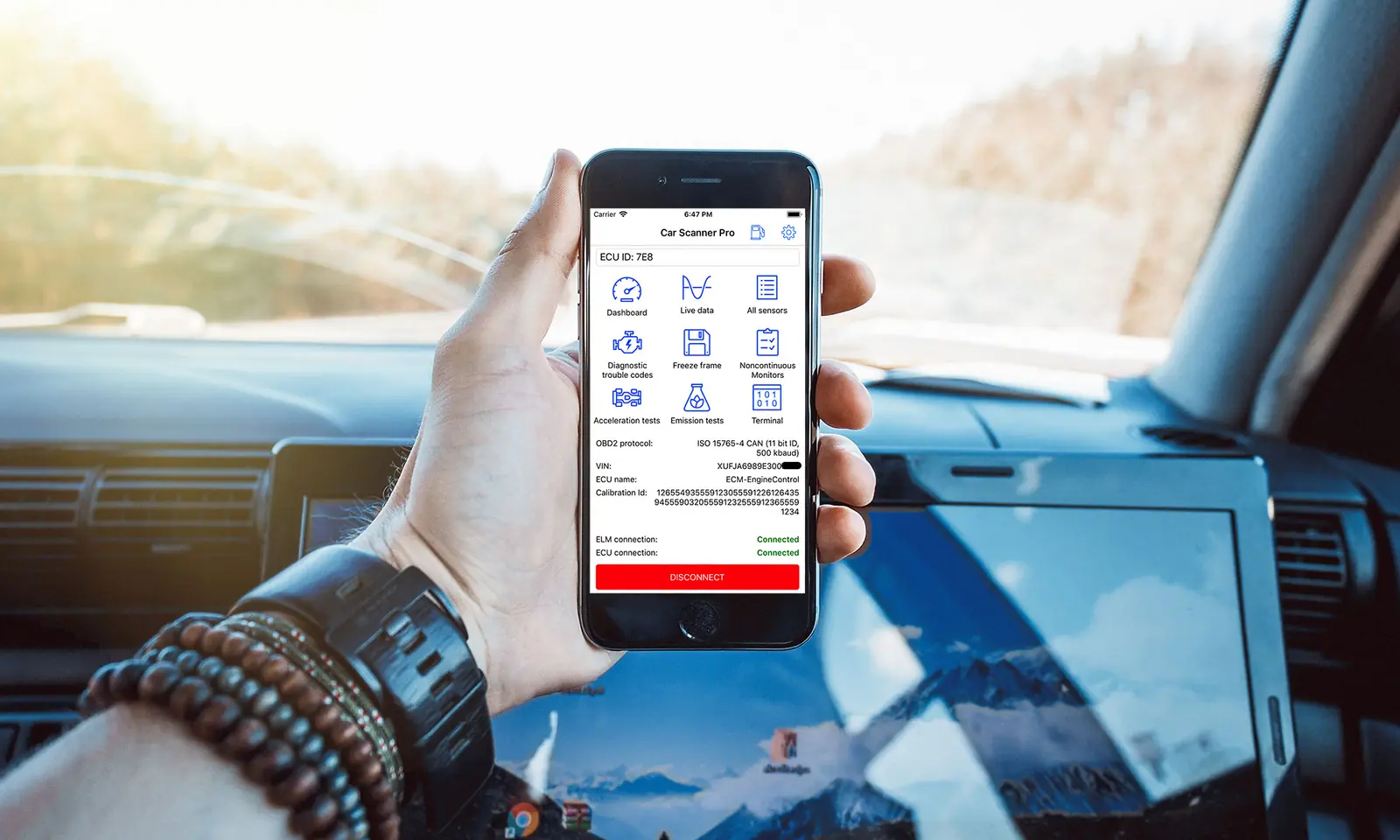
The Check Engine Light (MIL - Malfunction Indicator Lamp) is one of the most common—and often most confusing—warning lights on modern Volkswagen and Audi vehicles. Understanding what fault codes mean, which ones are urgent, and how to address them can save you money and prevent expensive repairs.
Modern vehicles have sophisticated diagnostic systems that monitor hundreds of parameters. When problems occur, the system stores diagnostic trouble codes (DTCs) that help identify issues. This guide covers common fault codes on VW and Audi vehicles, what they mean, and when professional repair is needed.
Understanding Diagnostic Trouble Codes
Code format:
- P-codes: Powertrain codes (engine, transmission)
- B-codes: Body codes (airbags, climate control)
- C-codes: Chassis codes (ABS, stability control)
- U-codes: Network codes (communication between modules)
Code structure:
- First digit: System (0 = generic, 1 = manufacturer-specific)
- Second digit: Subsystem (1 = fuel/air, 2 = injector, 3 = ignition, etc.)
- Last two digits: Specific fault
Code types:
- Current codes: Active problems (light is on)
- Stored codes: Historical problems (light may be off)
- Pending codes: Intermittent problems (may become current)
Reading codes: Requires OBD-II scanner or professional diagnostic equipment. Many codes can be read with basic scanners, but some require manufacturer-specific tools.
Common Engine-Related Codes (P0xxx)
P0171 / P0172: System Too Lean / Too Rich
What it means: Air-fuel mixture is incorrect—too much air (lean) or too much fuel (rich).
Common causes:
- MAF sensor problems: Incorrect air mass readings
- Oxygen sensor failure: Sensors not reading correctly
- Fuel system problems: Injectors, fuel pressure regulator
- Vacuum leaks: Unmetered air entering system
- Fuel filter: Clogged filter affecting fuel delivery
Severity: Moderate—affects performance and fuel economy, can damage catalytic converter if severe.
Solution: Professional diagnosis required. May need MAF sensor replacement or oxygen sensor replacement. Address promptly to prevent catalyst damage.
P0300–P0308: Misfire Codes
What it means: Engine misfiring in one or more cylinders.
Code breakdown:
- P0300: Random misfire (multiple cylinders)
- P0301–P0308: Specific cylinder misfire (1–8)
Common causes:
- Ignition problems: Spark plugs, coils, wires
- Fuel injector failure: Clogged or faulty injectors
- Compression problems: Low compression (rings, valves)
- Fuel delivery: Fuel pressure problems, filter issues
Severity: High—misfires can damage catalytic converter and indicate serious engine problems.
Solution: Requires diagnosis to identify specific cause. May need ignition components, fuel injectors, or engine repairs.
P0420 / P0430: Catalytic Converter Efficiency
What it means: Catalytic converter not operating efficiently (below threshold).
Common causes:
- Oxygen sensor failure: Sensors not reading correctly
- Catalyst damage: Converter damaged or contaminated
- Exhaust leaks: Leaks affecting sensor readings
- Engine problems: Misfires or incorrect mixture damaging catalyst
Severity: High—may cause emissions test failure. Often indicates expensive catalyst problems.
Solution: Requires diagnosis to determine if sensors or catalyst. May need oxygen sensor replacement or catalytic converter.
P0299: Turbo Underboost
What it means: Turbocharger not producing expected boost pressure.
Common causes:
- Boost leaks: Leaks in intercooler, hoses, or connections
- Turbocharger failure: Worn turbo, actuator problems
- Wastegate problems: Wastegate not operating correctly
- Air filter: Clogged filter restricting airflow
Severity: Moderate—reduces performance, may indicate turbo problems.
Solution: Requires diagnosis. May need turbocharger components or boost leak repair.
P0401 / P0402: EGR Flow Problems
What it means: Exhaust Gas Recirculation (EGR) system not operating correctly.
Common causes:
- EGR valve failure: Valve stuck or not operating
- Carbon buildup: EGR passages blocked
- Sensor problems: EGR position sensors
Severity: Moderate—affects emissions and can cause DPF problems on diesel engines.
Solution: May require EGR valve cleaning or replacement. Address promptly to prevent DPF issues.
Diesel-Specific Codes (TDI Engines)
P2002: DPF Efficiency Below Threshold
What it means: Diesel Particulate Filter (DPF) not operating efficiently.
Common causes:
- DPF blockage: Filter too clogged to regenerate
- Regeneration failure: Regeneration not completing
- Sensor problems: DPF pressure sensors not reading correctly
- EGR problems: EGR issues causing excessive soot
Severity: High—can cause vehicle to enter limp mode, expensive DPF replacement if not addressed.
Solution: Requires professional diagnosis. May need DPF cleaning or DPF replacement.
P0087 / P0088: Fuel Rail Pressure Problems
What it means: High-pressure fuel system pressure too low or too high.
Common causes:
- Fuel filter: Clogged filter restricting flow
- Fuel pump failure: High-pressure pump problems
- Injector problems: Leaking or faulty injectors
- Pressure regulator: Regulator not operating correctly
Severity: High—can cause engine damage and complete fuel system failure.
Solution: Requires professional diagnosis. May need fuel filter replacement, fuel pump, or injector service.
Transmission Codes
P0700: Transmission Control System Malfunction
What it means: Generic transmission problem—check transmission-specific codes.
Common causes:
- Transmission fluid: Low or contaminated fluid
- Solenoid problems: Shift solenoids not operating
- Electrical problems: Wiring or control module issues
- Mechanical problems: Internal transmission problems
Severity: Varies—some problems are minor (fluid service), others require transmission repair.
Solution: Requires transmission diagnosis. May need transmission fluid service or transmission repair.
P0730: Incorrect Gear Ratio
What it means: Transmission not shifting correctly or gear ratios incorrect.
Common causes:
- Clutch problems: DSG clutch slipping or worn
- Transmission fluid: Contaminated or incorrect fluid
- Mechanical problems: Internal transmission problems
- Control module: Transmission control unit problems
Severity: High—can cause transmission damage if not addressed.
Solution: Requires professional transmission diagnosis. May need transmission service or repair.
Which Codes Are Urgent?
Stop Driving Immediately
Codes requiring immediate attention:
- P0300–P0308 (misfires): Can damage catalytic converter
- P0299 (turbo underboost): May indicate turbo failure
- Overheating codes: Risk of engine damage
- Oil pressure codes: Risk of engine failure
- Any code with vehicle in limp mode: Reduced power indicates serious problems
Schedule Service Soon
Codes that can wait (but address promptly):
- P0420/P0430 (catalyst): May affect emissions, not immediately critical
- P0171/P0172 (mixture): Affects performance and fuel economy
- Sensor codes: Many sensor problems don't cause immediate damage
- Stored codes (light off): Historical problems, but should be checked
Monitor and Investigate
Codes that may be intermittent:
- Pending codes: May clear on their own
- Intermittent sensor codes: May need monitoring
- Minor emissions codes: May not affect operation
Recommendation: Have all codes diagnosed, even if not immediately critical. Early intervention prevents expensive repairs.
How to Read and Clear Codes
Professional Diagnosis
Advantages:
- Comprehensive: Reads all codes from all systems
- Live data: Views real-time sensor readings
- Advanced functions: Performs component tests and adaptations
- Manufacturer-specific: Accesses VW/Audi-specific codes and functions
Cost: €50–€150 (diagnostic service) Recommendation: Professional diagnosis recommended for accurate problem identification.
Basic OBD Scanner
Capabilities:
- Reads generic P-codes
- Clears codes (may not fix underlying problems)
- Views some live data (limited)
Limitations:
- May not read manufacturer-specific codes
- Limited diagnostic capabilities
- Cannot perform component tests
Cost: €20–€200 (scanner purchase) Best for: Basic code reading, not comprehensive diagnosis.
Common Solutions by Code Category
Sensor-Related Codes
Common solutions:
- Oxygen sensors: Sensor replacement (€80–€300)
- MAF sensors: Sensor cleaning or replacement (€150–€500)
- Temperature sensors: Sensor replacement (€50–€200)
Prevention: Regular sensor inspection during service.
Fuel System Codes
Common solutions:
- Fuel filter: Filter replacement (€30–€80)
- Fuel pump: Pump replacement (€300–€800)
- Injectors: Injector cleaning or replacement (€200–€400 per injector)
Prevention: Regular fuel filter replacement, quality fuel.
Emissions System Codes
Common solutions:
- EGR valve: Valve cleaning or replacement (€200–€800)
- DPF: DPF cleaning or replacement (€400–€2,500)
- Catalytic converter: Converter replacement (€800–€2,000)
Prevention: Proper maintenance, addressing related problems promptly.
When to Clear Codes
Clear after repair:
- After fixing identified problems
- To verify repair success
- To reset adaptations (if applicable)
Don't clear without fixing:
- Clearing codes doesn't fix problems
- Codes will return if problems aren't addressed
- Codes help diagnose problems—don't delete diagnostic information
Professional recommendation: Have codes read and diagnosed before clearing. Clearing codes without fixing problems wastes time and money.
Cost Comparison: Early vs. Delayed Diagnosis
- Professional diagnosis: €50–€150
- Early repair (sensor, filter): €100–€500
- Delayed repair (catalyst, turbo): €800–€3,000+
- Complete system failure: €2,000–€8,000+
Early diagnosis and repair prevent expensive failures. Addressing codes promptly saves money and prevents component damage.
Next Steps
If your Check Engine Light is illuminated, don't ignore it. Have codes read and diagnosed promptly. Many problems are simple fixes if addressed early, but can cause expensive damage if delayed.
Contact our technical advisors for expert guidance on fault code diagnosis and component replacement. We can help identify parts needed based on fault codes and provide genuine OEM components with rapid European dispatch.
Browse our engine components, emissions systems, and electrical components for parts to address common fault codes on Volkswagen and Audi vehicles.